
Get Leach Field Relocation in San Francisco, CA
Leach Field Relocation services help San Francisco property owners solve septic system issues by connecting them with local contractors who can safely move or redesign leach fields for improved functionality.
Leach field relocation services are an important consideration for property owners in San Francisco, CA who are planning site improvements, renovations, or new construction projects. Moving or adjusting a leach field can help optimize land use, improve drainage, or accommodate changes to the property layout. Property owners exploring this work often seek reliable local contractors with experience in managing underground systems and navigating the unique planning requirements of the area. Continuing to read can provide insights into how to compare options and find the right professionals for your specific project needs.
Understanding the practical reasons for a leach field relocation can help property owners make informed decisions. Whether addressing aging systems, expanding property boundaries, or adapting to new development plans, working with experienced local service providers can ensure the project is handled efficiently and effectively. This page aims to connect property owners with qualified contractors who can provide the expertise needed to plan and execute leach field relocations in San Francisco, CA, helping to make the process smoother and more manageable.
- Leach Field Relocation - needed when a property owner in neighborhoods like Mission District or Sunset District plans to develop or expand their property.
- Leach Field Relocation - required if existing septic systems are failing or causing drainage issues in areas such as Pacific Heights or Richmond District.
- Leach Field Relocation - necessary during property renovations that involve changing the layout or footprint of the building in San Francisco or nearby communities.
- Leach Field Relocation - sought when soil conditions or site constraints prevent the current septic system from functioning properly in areas like Nob Hill or Haight-Ashbury.
- Leach Field Relocation - appropriate when upgrading to newer septic technology or complying with updated local regulations in neighborhoods across the city.
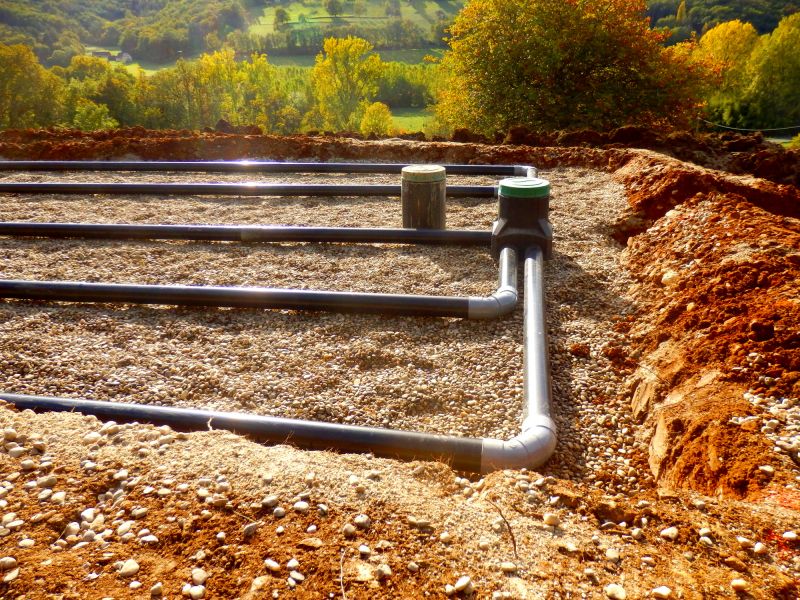
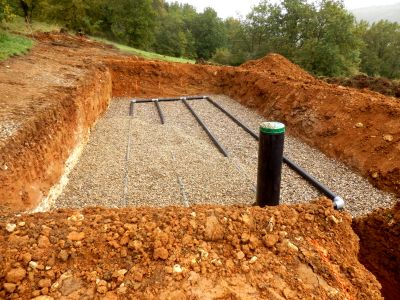
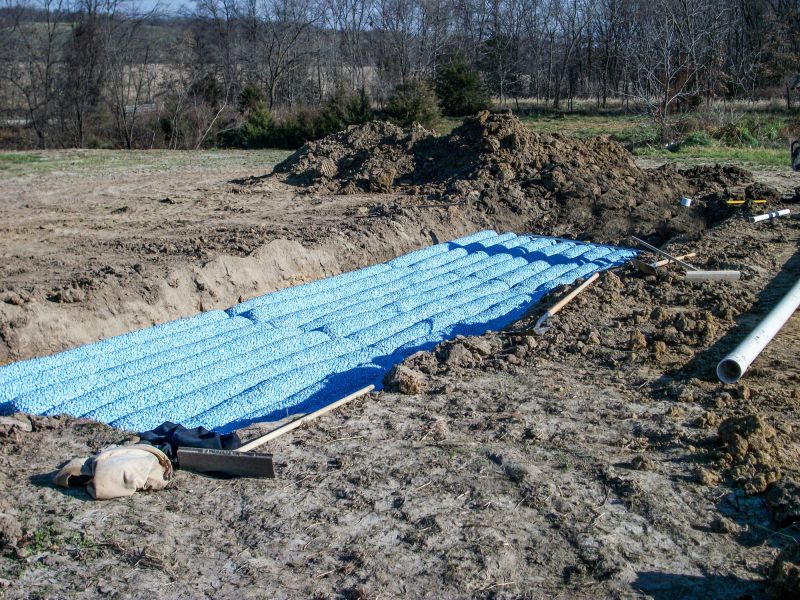
Leach field relocation services involve the process of moving or redesigning a septic system’s drain field to a new location on a property. This work typically includes excavating the existing leach field, preparing a new site, and installing the necessary piping and gravel beds to ensure proper wastewater dispersal. The goal is to create a functional and efficient drainage area that meets the property’s needs while complying with local regulations. These services are often performed by experienced contractors who understand the technical requirements of septic system layouts and the importance of proper installation.
This service helps resolve a variety of problems that can arise with an existing leach field. Over time, a drain field can become clogged, fail, or experience issues due to soil conditions, landscaping changes, or construction activities nearby. When a septic system is no longer functioning properly, it can lead to sewage backups, foul odors, or even property damage. Relocating the leach field can restore proper wastewater treatment and prevent health hazards, making it a practical solution for homeowners facing these challenges.
Properties that typically need leach field relocation are often those undergoing significant landscaping changes, property expansions, or improvements that interfere with the original septic system placement. It’s also common for older systems to require moving when soil conditions or groundwater levels change, or when new structures are added that impact the existing drain field. Rural homes, properties with limited space, or those in areas with strict building codes may find this service essential to ensure their septic system functions reliably and safely.
Homeowners should consider leach field relocation if they notice signs of septic system failure, such as slow drains, gurgling sounds, or standing water near the drain field area. Additionally, if planning major landscaping, construction, or property development, relocating the drain field might be necessary to accommodate new features. Connecting with local service providers can help evaluate the situation, identify the best solution, and ensure the new leach field is installed correctly for long-term performance.
The overview below groups typical Leach Field Relocation projects into broad ranges so you can see how smaller, mid-sized, and larger jobs often compare in San Francisco, CA.
In many markets, a large share of routine jobs stays in the lower and middle ranges, while only a smaller percentage of projects moves into the highest bands when the work is more complex or site conditions are harder than average.
Smaller Repairs - Typical costs for minor leach field adjustments or repairs range from $250 to $600. Many routine jobs fall within this range, depending on the extent of the work needed and local labor rates.
Partial Relocation - Moving a section of the leach field or making moderate adjustments usually costs between $1,000 and $3,000. Larger, more complex projects can reach up to $5,000, but most projects are in the lower to mid-range.
Full Replacement - Replacing the entire leach field generally costs from $4,000 to $10,000 or more. Many full replacements fall into the $5,000 to $8,000 range, with costs varying based on site conditions and system size.
Complex or Unusual Projects - Highly complex relocations or projects involving difficult terrain can exceed $10,000. These are less common, with most standard relocations remaining within typical cost ranges for local service providers.
Actual totals will depend on details like access to the work area, the scope of the project, and the materials selected, so use these as general starting points rather than exact figures.
Septic System Installation - Professionals experienced in installing septic systems often handle site planning and underground piping, skills that are essential for leach field relocations.
Drain Field Replacement - Contractors specializing in drain field replacement have the expertise to assess soil conditions and design effective leach field layouts.
Underground Utility Excavation - Excavation specialists skilled in underground utility work are familiar with trenching and soil management necessary for leach field adjustments.
Soil Testing and Site Assessment - Soil testing experts evaluate site conditions, a critical step in planning and executing leach field relocations successfully.
Land Grading and Drainage - Land grading professionals optimize drainage patterns, which is important when relocating leach fields to prevent water issues.
Drainage System Installation - Installers of underground drainage systems possess the tools and planning knowledge applicable to leach field repositioning projects.
When evaluating service providers for a leach field relocation, it’s important to consider their experience with similar projects in the area. Homeowners should look for local contractors who have a proven track record of successfully completing leach field relocations in San Francisco and nearby communities. An experienced professional will be familiar with local soil conditions, permitting processes, and any regional challenges that could impact the project. This familiarity can contribute to a smoother process and help ensure the work is handled efficiently and effectively.
Clear, written expectations are essential when comparing local pros for leach field relocation services. Homeowners should seek contractors who provide detailed project descriptions, scope of work, and any necessary specifications in writing. This transparency helps prevent misunderstandings and ensures everyone is aligned on what the project entails. Asking for a comprehensive outline of the services offered, along with any warranties or guarantees, can also help in making an informed decision.
Reputable references and strong communication are key indicators of a reliable service provider. Homeowners are encouraged to request references from previous clients who have had similar work done. Speaking with past customers can reveal insights into the contractor’s professionalism, reliability, and quality of work. Additionally, good communication throughout the process-prompt responses, clear explanations, and a willingness to answer questions-can make the experience less stressful. It’s important to remember that the site introduces homeowners to local options and does not perform the work itself, so selecting a trusted and well-reviewed contractor is a vital step in the process.
Property owners in San Francisco, CA use Leach Field Relocation services for practical projects around their homes and businesses. This guide focuses on everyday jobs and straightforward project options.
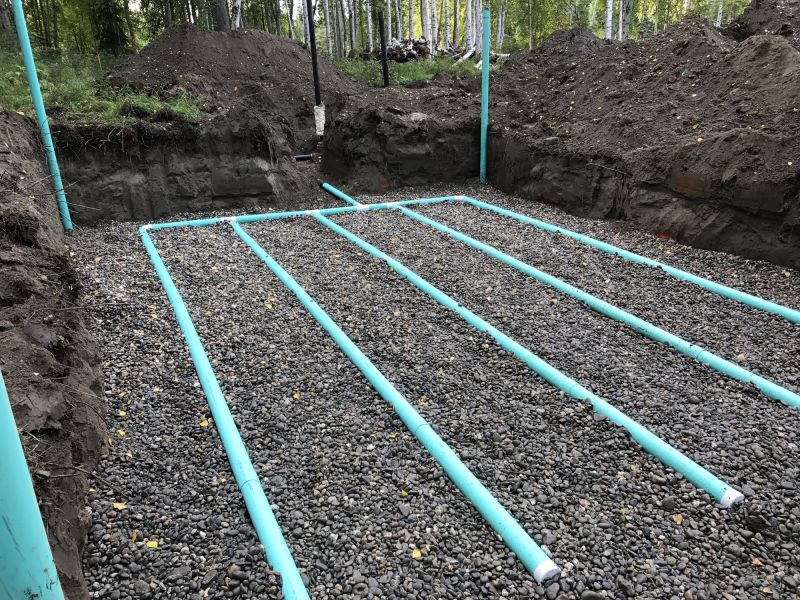
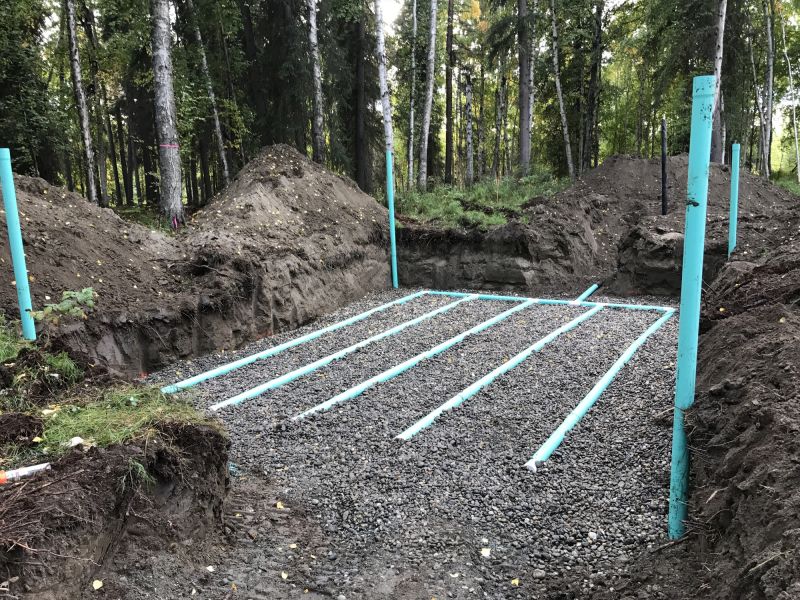
Leach field relocation services are often needed when property owners in San Francisco, CA face issues with existing septic systems that no longer function properly or are located in inconvenient spots. Urban properties with limited space may require moving the leach field to meet new zoning requirements or to improve drainage and soil conditions. Additionally, those planning renovations or additions might find that their current septic setup interferes with construction plans, prompting the need for professional relocation to ensure compliance and proper system performance.
Property owners may also seek leach field relocation when environmental factors or changes in property use impact the effectiveness of their existing system. For example, increased construction or landscaping projects can alter soil drainage, making a move necessary to prevent backups or odors. Local contractors can assess these situations and handle the work to help maintain proper septic function, ensuring the property remains compliant and functional amid changing conditions.
What is involved in relocating a leach field? Relocating a leach field requires assessing the current site, selecting a suitable new location, and coordinating with local contractors to perform excavation, installation, and system testing according to regional regulations.
How do I find qualified contractors for leach field relocation? To find experienced service providers, it’s recommended to compare local contractors who specialize in septic system work and check for reviews or references specific to leach field services in the area.
Are there any permits needed for leach field relocation? Yes, most areas require permits for septic system modifications, including leach field relocations. Contact local authorities or service providers who can assist with permit applications and compliance.
What factors determine the best new location for a leach field? Suitable locations are typically based on soil conditions, property layout, and distance from structures or water sources, with local contractors assessing these factors during site evaluations.
Can leach field relocation be done on any property? Not all properties are suitable for leach field relocation; a professional assessment is necessary to determine feasibility based on soil type, property size, and local regulations.
Property Expansion Planning - When adding a new structure or extending a property, local contractors can assist with relocating the leach field to ensure proper system function.
Landscape Redesign Projects - During yard renovations, service providers can help move the leach field to accommodate new landscaping features or patio areas.
Drainage Improvement Initiatives - For properties experiencing drainage issues, relocating the leach field can improve water flow and prevent flooding in low-lying areas.
Septic System Upgrades - Upgrading or replacing an existing septic system may involve relocating the leach field to meet updated standards or improve efficiency.
If you are thinking about Leach Field Relocation for a property in San Francisco, CA, this guide is meant to help you understand the work, the typical project types, and how different options might fit your plans.
When you are ready, you can use the quote form on this page to share a few details about your project. From there, local pros can review the basics and respond with options that match what you have in mind.