
Get Septic System Relocation in San Francisco, CA
Septic system relocation services help San Francisco property owners move or replace septic tanks to solve drainage, space, or property expansion challenges by connecting them with experienced local contractors.
If you are considering relocating a septic system in the San Francisco, CA area, you are in the right place to explore your options. Property owners may need to move a septic system due to site development, property expansion, or to improve functionality and access. Planning such a project involves understanding local regulations, site conditions, and the best ways to ensure proper installation and operation. Comparing services from experienced local contractors can help identify the most practical solutions tailored to your property's unique needs.
Continuing with your project planning involves connecting with trusted service providers who specialize in septic system relocation. These local professionals can provide guidance on the necessary steps, site assessments, and installation processes relevant to San Francisco’s specific requirements. By exploring your options and consulting with qualified contractors, property owners can make informed decisions that support the long-term functionality and compliance of their septic systems.
- Septic System Relocation - needed when a property owner plans to build new structures or expand existing ones in neighborhoods like Mission District or SoMa in San Francisco, CA.
- Septic System Relocation - required if a property is being re-zoned or undergoing significant land development that affects existing septic locations.
- Septic System Relocation - necessary when soil conditions or property layout changes make the current septic system unsuitable or non-compliant.
- Septic System Relocation - needed during property renovations or additions that alter the footprint of the existing septic system area.
- Septic System Relocation - appropriate when relocating a septic system away from new or existing structures to meet setback requirements or improve functionality.
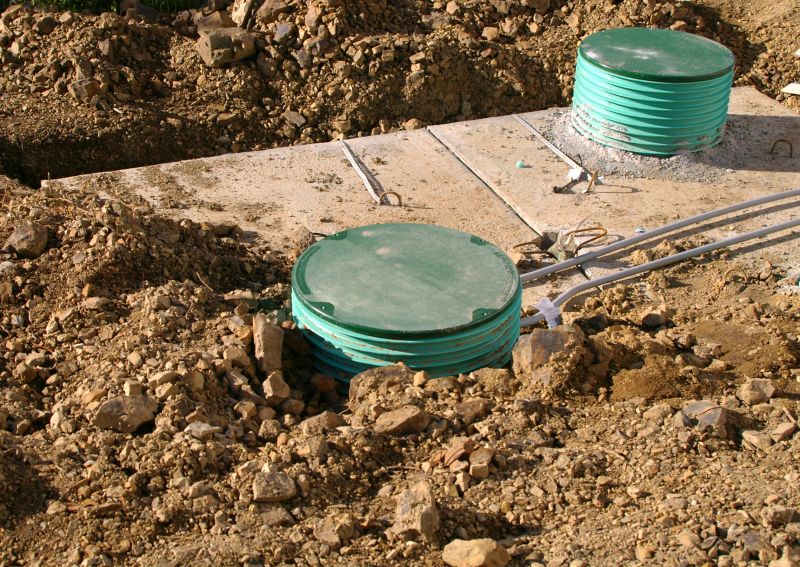
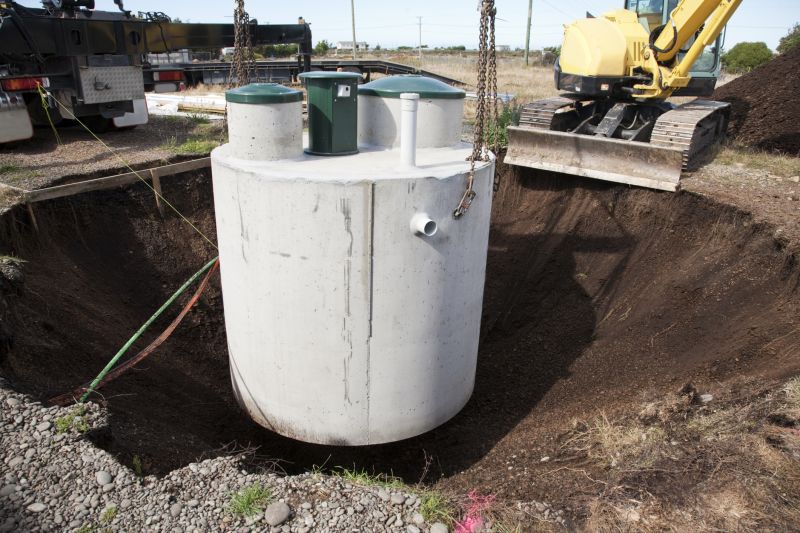
Septic system relocation services involve moving an existing septic tank and its associated components to a new location on a property. This process typically requires careful planning to ensure the system continues to function properly after the move. Skilled service providers handle tasks such as disconnecting the current system, excavating and transporting the tank, and installing it securely in its new position. Properly relocating a septic system helps maintain the property’s sanitation and drainage capabilities, especially when renovations or property expansions make the original placement unsuitable.
Relocation services are often needed when properties undergo significant changes that interfere with the original septic system placement. Common issues include new construction projects, such as adding a garage or extension, which encroach on the existing septic area. Additionally, if the current system is failing or causing drainage problems, moving it to a different part of the property can resolve these issues. This service helps prevent costly repairs or environmental concerns by ensuring the septic system remains properly situated and functioning as intended.
Properties that typically use septic system relocation services include homes in rural or semi-rural areas, where connecting to municipal sewer lines is not an option. These properties often have space available for moving the system, but require professional assistance to do so safely and effectively. Commercial properties or large estate properties may also need septic relocations if their layouts change or if existing systems no longer meet capacity needs. Homeowners who are planning major landscape improvements or additions should consider consulting with local contractors to evaluate whether a septic move is necessary.
Understanding when to consider septic system relocation can help homeowners avoid future problems. Signs that a relocation might be needed include persistent drainage issues, unpleasant odors near the septic area, or plans for property modifications that interfere with the current system’s placement. Engaging experienced local service providers ensures the job is handled efficiently and in accordance with local regulations. Connecting with the right professionals can help ensure a smooth transition, maintaining the property’s sanitation and functionality after the move.
The overview below groups typical Septic System Relocation projects into broad ranges so you can see how smaller, mid-sized, and larger jobs often compare in San Francisco, CA.
In many markets, a large share of routine jobs stays in the lower and middle ranges, while only a smaller percentage of projects moves into the highest bands when the work is more complex or site conditions are harder than average.
Smaller Repairs - Typical costs for minor septic system relocations or adjustments range from $250 to $600. Many routine jobs fall within this range, depending on the complexity of the site and the work needed.
Moderate Projects - More extensive relocations or partial system upgrades usually cost between $1,000 and $3,000. These projects are common for homes requiring repositioning of the septic tank or lines with moderate excavation work.
Full System Replacement - Replacing an entire septic system can range from $3,500 to $7,000 or more. Larger, more complex projects involving new drain fields or extensive site prep tend to reach the higher end of this range.
Specialized or Complex Jobs - Very large or complicated relocations, such as those involving difficult terrain or additional permits, can exceed $10,000. These projects are less common but are handled by experienced local contractors when needed.
Actual totals will depend on details like access to the work area, the scope of the project, and the materials selected, so use these as general starting points rather than exact figures.
Drain Field Replacement - local contractors often handle the removal and installation of new drain fields, requiring similar excavation and planning skills as septic system relocation.
Septic Tank Installation - installing new septic tanks involves site assessment, excavation, and proper positioning, paralleling the skills needed for relocating existing systems.
Underground Utility Excavation - utility excavation projects require careful planning and precise digging, which are essential skills for safely relocating septic systems.
Soil Testing and Site Assessment - evaluating soil conditions and site suitability is a key step in both septic system installation and relocation projects.
Drainage System Installation - installing or upgrading drainage solutions involves similar planning and excavation techniques as septic system movements.
Landscape Grading and Restoration - after septic work, landscape grading and restoration require expertise in soil management and site reconfiguration, akin to septic system relocation tasks.
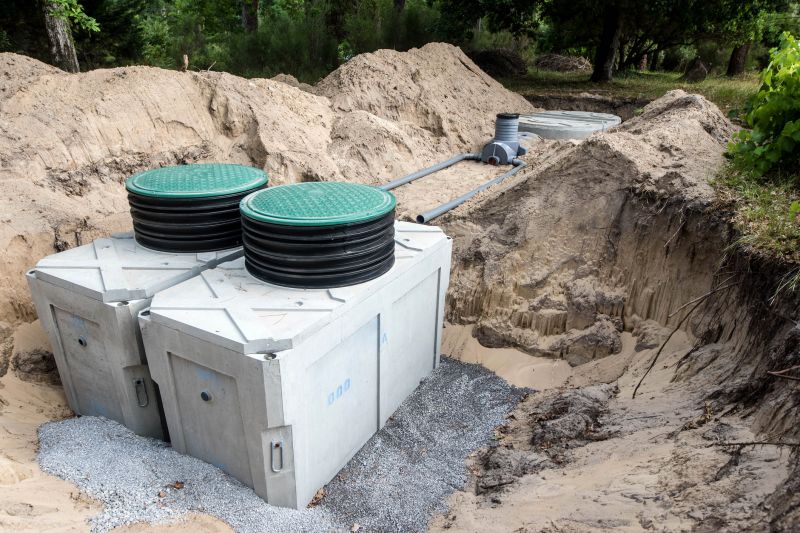
When selecting a contractor for a septic system relocation, it’s important to consider their experience with similar projects in the area. Homeowners should look for service providers who have a proven track record of handling septic system moves, especially in neighborhoods with comparable soil conditions and property layouts. An experienced contractor will be familiar with local regulations, common challenges, and best practices, which can contribute to a smoother process and help ensure the job is completed correctly.
Clear, written expectations are essential when working with local contractors. Homeowners should seek providers who can provide detailed descriptions of the scope of work, the steps involved, and any necessary preparations. Having these expectations documented helps prevent misunderstandings and provides a reference point throughout the project. It’s also beneficial to ask for a written outline of the responsibilities and deliverables, so that all parties are aligned from the outset.
Reputable references and effective communication are key indicators of a reliable service provider. Homeowners are encouraged to ask potential contractors for references from past clients who had similar projects completed. Speaking with previous customers can offer insights into the contractor’s professionalism, quality of work, and ability to meet deadlines. Additionally, good communication-such as prompt responses to inquiries and clarity in explanations-can make the entire process more manageable. It’s important to choose local service providers who are transparent, responsive, and able to address questions or concerns throughout the project.
Property owners in San Francisco, CA use Septic System Relocation services for practical projects around their homes and businesses. This guide focuses on everyday jobs and straightforward project options.
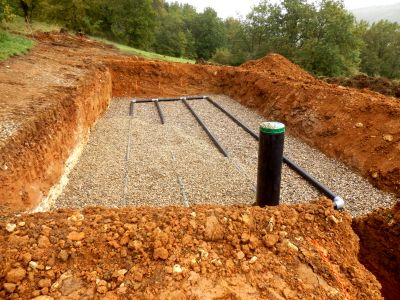
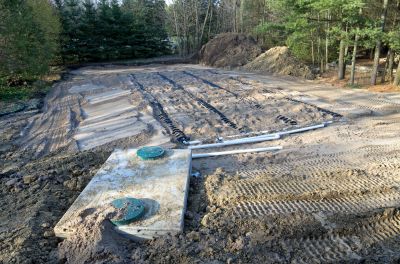
Septic system relocation services are often needed when property owners in San Francisco, CA are planning renovations, additions, or new construction projects that impact existing septic systems. For example, if a homeowner is expanding their living space or converting a garage into a living area, they may need to move the septic system to comply with zoning regulations or to ensure proper functioning. Local contractors can assist with assessing the site, planning the new system location, and managing the entire relocation process to meet local codes and property needs.
Property owners might also seek septic system relocation when facing issues such as system failure, drainage problems, or the need to prevent future contamination risks. In densely developed areas like San Francisco, space constraints or proximity to other structures can make it necessary to reposition a septic system. Experienced service providers can evaluate the property, recommend suitable new locations, and handle the work efficiently to minimize disruption and ensure the system operates effectively in its new position.
What does septic system relocation involve? Septic system relocation includes disconnecting the existing system, excavating to remove or reposition components, and installing a new system in a different location, all handled by local contractors experienced in septic services.
Why might someone need to relocate a septic system? Reasons for relocating a septic system can include property expansion, new construction, or zoning requirements, with local service providers managing the entire process.
Are there permits required for septic system relocation? Yes, local regulations typically require permits for septic system relocation, and experienced contractors can assist with the application process to ensure compliance.
What types of properties are suitable for septic system relocation? Properties with enough space and proper soil conditions can often have septic systems relocated, with local service providers evaluating site suitability.
How do local contractors handle septic system removal and installation? They manage the entire process, including site assessment, excavation, system removal, and installation of a new system in accordance with local codes and standards.
Septic System Relocation Planning - Property owners can work with local contractors to develop a detailed plan for moving a septic system during property renovations or expansions.
Site Preparation Assistance - Local service providers can help prepare the new location, ensuring proper ground conditions and access for the septic system relocation process.
Permitting and Compliance Support - Property owners can rely on local contractors to handle permits and ensure the relocation meets all local regulations and codes.
Septic System Installation - Experienced local pros can manage the safe and proper installation of the septic system in its new location, supporting ongoing property use.
If you are thinking about Septic System Relocation for a property in San Francisco, CA, this guide is meant to help you understand the work, the typical project types, and how different options might fit your plans.
When you are ready, you can use the quote form on this page to share a few details about your project. From there, local pros can review the basics and respond with options that match what you have in mind.