
Get Septic Plumbing Installation in San Francisco, CA
Septic plumbing installation services help San Francisco property owners set up and replace septic systems to prevent backups, leaks, and drainage issues.
Planning a septic plumbing installation is a significant step for property owners in San Francisco, CA who are managing land development, renovating existing properties, or preparing sites for new construction. Choosing the right service provider involves comparing local contractors who understand the unique requirements of the area, including soil conditions and regulatory considerations. Whether upgrading an outdated system or installing one for a new property, exploring your options ensures that the project aligns with both practical needs and local standards.
By connecting with experienced service providers in the San Francisco area, property owners can access the expertise needed to handle septic plumbing installations efficiently and effectively. As you consider your project, gathering information about available local contractors can help you make informed decisions and plan your next steps confidently. Keep reading to discover how to find the right professionals for your septic plumbing needs.
- Septic Tank Installation - needed when installing a new septic system for residential or commercial properties in suburban neighborhoods.
- Septic System Repairs - required when experiencing backups, leaks, or system failures in areas with existing septic setups.
- Septic Pump Replacement - necessary when septic pumps fail to operate properly, causing drainage issues in homes or businesses.
- Septic System Inspection - important before purchasing a property or for routine maintenance in rural or semi-rural communities.
- Septic Tank Cleaning - needed to prevent system clogs and ensure proper functioning in properties with aging septic infrastructure.
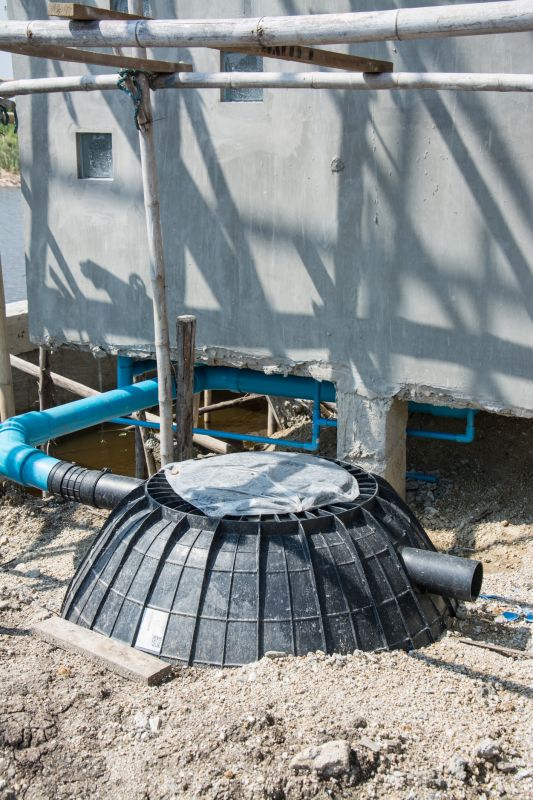
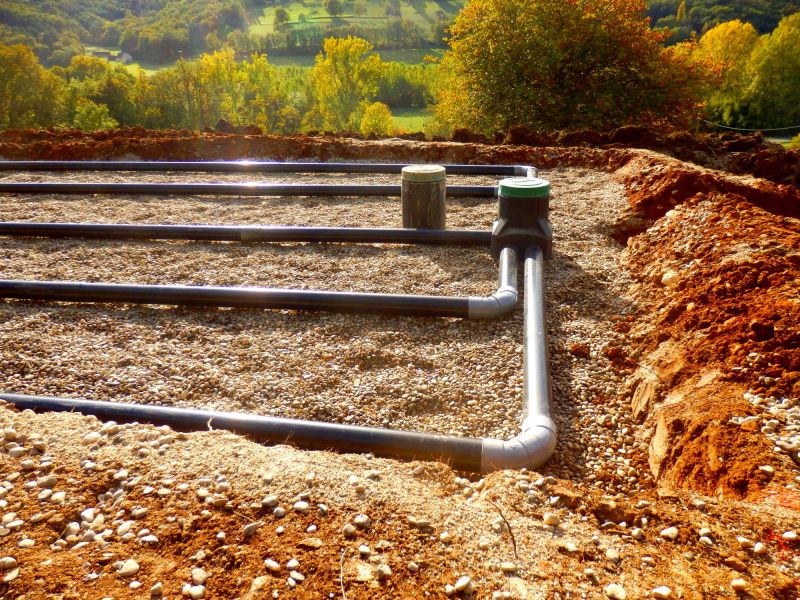
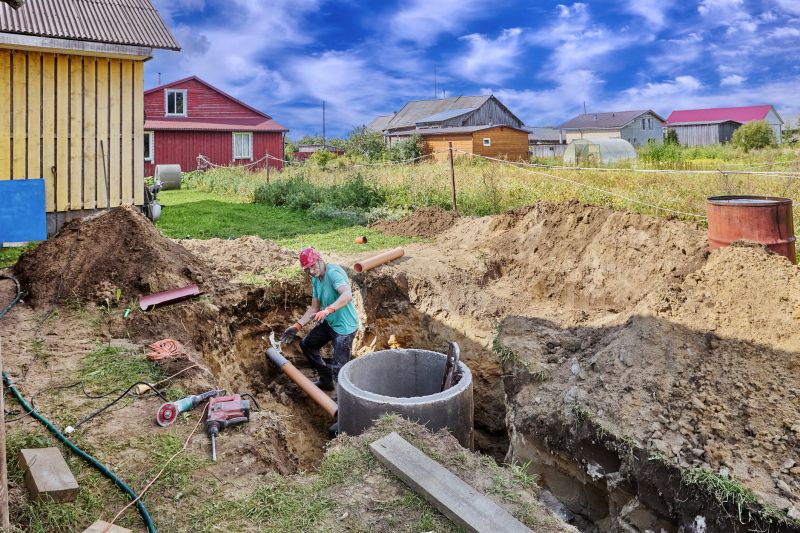
Septic plumbing installation services involve setting up a complete wastewater management system for properties that are not connected to municipal sewer lines. This process includes designing, excavating, and installing a septic tank along with the necessary piping and drain fields. Experienced service providers ensure that the system is properly integrated into the property’s landscape, functioning efficiently to handle household waste and prevent leaks or backups. Proper installation is essential for long-term performance and helps avoid costly repairs or environmental issues caused by improperly functioning septic systems.
These services are often needed when constructing a new home in rural or semi-rural areas, or when replacing an outdated or failing septic system. Homeowners experiencing persistent drainage problems, foul odors, or sewage backups may require a new septic installation or a system upgrade. Septic systems are also common in properties with large lots where connecting to municipal sewer lines is impractical or prohibitively expensive. Local contractors work with homeowners to assess the property’s needs and recommend the most suitable system to ensure reliable wastewater management.
Septic plumbing installation helps solve a range of common problems associated with wastewater disposal. These include persistent backups, slow drains, and the presence of sewage odors inside or outside the home. An improperly installed or failing septic system can lead to groundwater contamination, property damage, and health hazards. Proper installation by experienced service providers ensures that the septic system functions correctly, reducing the risk of leaks, overflows, and other issues that can arise from inadequate setup or aging infrastructure.
Properties that typically use septic plumbing installation services include single-family homes, rural residences, and small commercial buildings not connected to municipal sewer systems. These properties often have larger land parcels that accommodate septic tanks and drain fields. Additionally, older homes that require system upgrades or replacements may need professional septic installation services. Contacting local contractors can help determine the best approach for installing or upgrading a septic system, ensuring it meets the property’s needs and functions reliably for years to come.
The overview below groups typical Septic Plumbing Installation projects into broad ranges so you can see how smaller, mid-sized, and larger jobs often compare in San Francisco, CA.
In many markets, a large share of routine jobs stays in the lower and middle ranges, while only a smaller percentage of projects moves into the highest bands when the work is more complex or site conditions are harder than average.
Smaller Repairs - Typical costs for routine septic plumbing repairs, such as fixing leaks or unclogging drains, generally range from $250 to $600. Many minor jobs fall within this middle range, though prices can vary based on the specific issue and location.
Septic Tank Pumping - Regular septic tank pumping services usually cost between $300 and $500 for most households. Larger or more complex systems may push costs toward $600 or more, but most projects stay within this range.
Septic System Installation - Installing a new septic system can range from $3,000 to $7,000 depending on soil conditions, tank size, and system type. Many standard installations fall in the middle of this range, with larger or custom systems reaching higher costs.
Full System Replacement - Replacing an entire septic system typically costs between $6,000 and $15,000. While many projects are in the lower to mid-range, more extensive or complicated replacements can exceed $15,000 depending on site specifics.
Actual totals will depend on details like access to the work area, the scope of the project, and the materials selected, so use these as general starting points rather than exact figures.
Drain Field Installation - This project involves designing and installing underground drain fields, requiring similar planning and excavation skills as septic system setups.
Septic Tank Pumping and Maintenance - Regular pumping and maintenance tasks involve handling septic components, which aligns with the skills used in septic plumbing installation.
Underground Utility Line Installation - Installing underground water, sewer, or utility lines shares excavation techniques and planning processes with septic system installations.
Stormwater Drainage System Setup - Designing and installing stormwater drainage systems involves site assessment and underground piping work similar to septic system planning.
Commercial Wastewater System Installation - Setting up wastewater treatment or collection systems for commercial properties requires expertise in underground piping and system layout.
Soil Testing and Site Assessment - Conducting soil tests and site evaluations is essential for septic system placement and is related to the planning phase of septic plumbing projects.
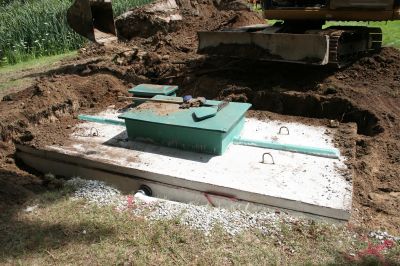
When comparing service providers for septic plumbing installation, it is important to consider their experience with similar projects. Homeowners should look for local contractors who have a proven track record of handling septic system installations in the San Francisco area or comparable environments. An experienced professional will be familiar with local soil conditions, permitting requirements, and common challenges, which can contribute to a smoother installation process and help ensure the job is completed correctly the first time.
Clear, written expectations are essential when choosing a septic plumbing installer. Homeowners should seek providers who can offer detailed descriptions of the scope of work, materials to be used, and the steps involved in the installation. Having this information in writing helps prevent misunderstandings and provides a reference point throughout the project. It also allows homeowners to compare proposals more effectively and select a service provider who communicates transparently and thoroughly.
Reputable references and effective communication are key indicators of a reliable local contractor. Homeowners are encouraged to ask for references from previous clients with similar projects and to verify that those references speak positively about their experiences. Good communication also includes responsiveness to questions, clarity about the process, and the ability to address concerns promptly. While the site introduces homeowners to local options for septic plumbing installation, it is ultimately the homeowner’s responsibility to evaluate each service provider’s experience, expectations, and reputation to find the best match for their needs.
Property owners in San Francisco, CA use Septic Plumbing Installation services for practical projects around their homes and businesses. This guide focuses on everyday jobs and straightforward project options.
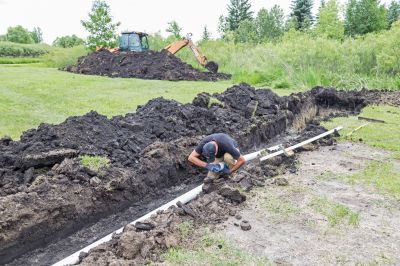
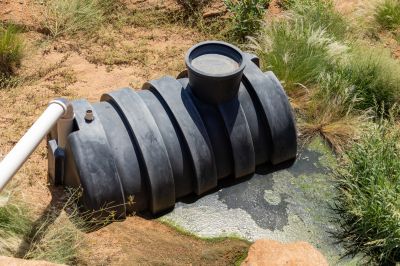
Septic plumbing installation is a common need for property owners in San Francisco, CA who are building new homes, adding additions, or replacing outdated systems. When a property is not connected to the city sewer system, a reliable septic system becomes essential for proper waste management. Local contractors can assist with installing septic tanks, drain fields, and related plumbing components to ensure the system functions effectively and complies with local regulations. Homeowners may seek these services to prevent backups, odors, and other issues that can arise from an improperly installed or failing septic system.
Property owners in San Francisco might also look for septic plumbing installation services when experiencing signs of system trouble or preparing for property renovations. If a septic system is showing signs of failure, such as slow drains or foul smells, or if a property is being upgraded for increased occupancy, a professional installation can address these concerns. Local service providers can evaluate existing setups, recommend appropriate solutions, and handle the installation process to support ongoing property use and maintenance needs.
What is involved in installing a septic plumbing system? Septic plumbing installation typically includes setting up a septic tank, connecting it to the home's plumbing, and ensuring proper drainage and venting. Local contractors handle the necessary excavation, piping, and system setup according to local codes.
Do septic plumbing installations require permits? Yes, most areas require permits for septic system installations. Local service providers can help ensure all necessary permits are obtained and that the installation complies with regional regulations.
What types of septic systems are available for installation? There are various types of septic systems, including conventional gravity systems and alternative options like mound or aerobic systems. Local contractors can recommend suitable types based on property conditions.
How can I prepare my property for septic plumbing installation? Preparing your property involves clearing the installation area, providing access for equipment, and possibly marking the location of existing utilities. Local service providers can offer guidance on specific site preparations.
What maintenance is needed after septic plumbing installation? Post-installation maintenance typically includes regular inspections, pumping, and monitoring system performance. Local pros can provide advice on ongoing upkeep to ensure proper functioning of the septic system.
Septic System Installation - Property owners planning to build a new home or expand existing structures can explore septic installation options with local contractors to ensure proper waste management.
Septic Tank Replacement - When a septic system shows signs of aging or failure, property owners can contact local service providers to replace or upgrade their existing septic tanks.
Drain Field Setup - For properties needing a new drain field, local contractors can assist with designing and installing a system that meets the property's specific needs.
Septic System Inspection - Regular inspections by local pros can help property owners identify potential issues early and maintain their septic systems effectively.
If you are thinking about Septic Plumbing Installation for a property in San Francisco, CA, this guide is meant to help you understand the work, the typical project types, and how different options might fit your plans.
When you are ready, you can use the quote form on this page to share a few details about your project. From there, local pros can review the basics and respond with options that match what you have in mind.